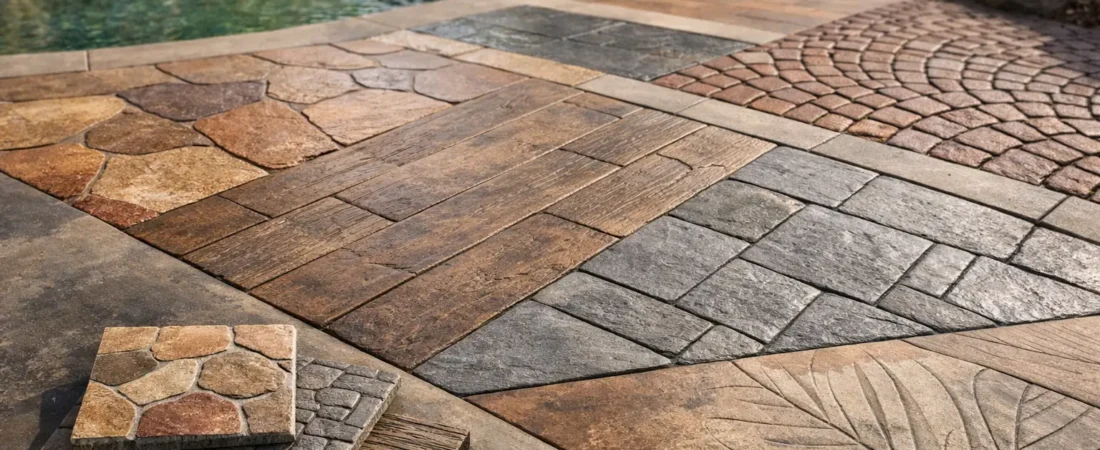
A plain gray slab can do the job, but it rarely does much for curb appeal. When homeowners and property managers ask about the best decorative concrete patterns, they usually want more than looks alone. They want a surface that fits the property, holds up in Southwest Florida weather, and still feels worth the investment years from now.
That is where pattern choice matters. Decorative concrete is not just about picking something that looks attractive in a photo. The right pattern needs to work with the size of the space, the amount of foot or vehicle traffic, drainage conditions, and the overall style of the home or commercial property. In Fort Myers, it also needs to make sense for heat, rain, humidity, and regular outdoor use.
How to choose the best decorative concrete patterns
The best choice depends on where the concrete is going and how it will be used. A pool deck has different priorities than a driveway. A restaurant entry or retail walkway may need a cleaner, more formal look than a backyard patio.
Texture is one of the first things to think about. Some patterns create a more natural stone appearance, while others give you a cleaner, more structured layout. On patios and walkways, homeowners often want a balance between visual appeal and slip resistance. On driveways, pattern depth, joint layout, and long-term wear become more important.
Scale also matters. Large patterns can make a wide patio feel open and upscale, but they may overwhelm a narrow walkway. Smaller patterns can add detail, though too much repetition can make a large slab look busy. A good layout should feel proportionate to the space, not forced onto it.
10 best decorative concrete patterns for Florida properties
Ashlar slate
Ashlar slate is one of the most requested stamped concrete patterns for a reason. It gives you the look of cut stone with a more organized layout than irregular slate, which makes it a strong fit for patios, pool decks, walkways, and even some driveways.
For many properties, this is the safest all-around choice. It looks finished without being too formal, and it works well with a wide range of home styles common in Southwest Florida. It also gives enough texture to help with traction when finished properly.
Random stone
If you want a more natural, less uniform look, random stone is a strong option. This pattern mimics irregular flagstone and works especially well in outdoor living areas where the goal is to soften the appearance of a large concrete surface.
The trade-off is that it can look visually busy in smaller spaces. On a broad patio or garden walkway, that usually works in its favor. On a small front entry, it can feel crowded if the surrounding architecture is already detailed.
Brick border with field pattern
This is not a single pattern as much as a layout approach, but it remains one of the best decorative concrete patterns for homeowners who want a more custom appearance. A brick border paired with a slate, stone, or broom-finished center section helps break up the slab and creates a more intentional design.
It is especially useful on driveways and front walkways where definition matters. Borders can frame the space without making the whole surface look overdesigned. For commercial properties, this can also help direct foot traffic and sharpen the look of entrances.
Herringbone brick
Herringbone brick brings a classic, structured appearance that suits traditional homes, courtyards, entryways, and walkways. It has a tighter, more formal look than irregular stone patterns, which makes it a good match for properties that already have brick accents or a more established architectural style.
On the right project, it looks sharp. On the wrong one, it can feel too rigid. That is why pattern selection should always consider the rest of the property, not just the slab by itself.
Running bond brick
Running bond is simpler than herringbone and often easier on the eyes across a larger area. It is clean, familiar, and versatile. This pattern works well for walkways, small patios, and apron sections near driveways.
If you want decorative concrete without drawing too much attention to the surface, this is a practical direction. It gives character without trying too hard, which is often exactly what property owners want.
European fan
European fan has a more decorative and traditional look, with curved brick-like sections that create movement across the slab. It can work well for courtyards, garden paths, or accent areas where you want the concrete to stand out a little more.
This is more of a style-specific choice. It does not fit every property, and it is usually not the first recommendation for large modern driveways or simple contemporary homes. Still, in the right setting, it can look distinctive and well planned.
Wood plank
Wood plank stamped concrete has become popular for patios and lanais because it brings the visual warmth of wood without the same level of rot, insect exposure, or regular refinishing concerns. In Florida, that can be a practical advantage.
The key is realism and installation quality. A good wood plank pattern should have believable grain, proper spacing, and color variation that does not look artificial. It is best used where you want a softer, more relaxed outdoor feel rather than a formal hardscape appearance.
Seamless texture skins
Not every decorative finish needs a bold stamped pattern. Seamless texture skins create a lighter surface texture that adds visual interest without obvious grout lines or repeating stone shapes. This can be a smart option for pool decks, patios, and walkways where slip resistance and a clean finish matter more than a dramatic stamped look.
For some homeowners, this is the better long-term choice. It tends to be less visually busy, easier to blend with existing concrete, and more forgiving if the property design is simple or modern.
Cobblestone
Cobblestone patterns create an old-world look with strong texture and depth. They can work well on driveways, entry courts, and accent bands, especially on higher-end homes where the goal is to create a more custom arrival experience.
That said, cobblestone is not for every project. It makes a strong statement, and if the home itself is modest or contemporary, the pattern can feel out of place. It also needs a good layout to avoid making the slab look too crowded.
Tile or cut-stone patterns
Tile-inspired and cut-stone patterns offer a cleaner, more geometric appearance. These are often a good fit for pool decks, screened patios, and commercial spaces that benefit from a more orderly design.
This category works well when you want decorative concrete to support the property rather than dominate it. It also pairs nicely with modern exterior finishes, neutral color palettes, and straightforward landscaping.
Where pattern choice matters most
Patios usually allow the most flexibility because they are built for visual appeal and outdoor living. Homeowners often lean toward ashlar slate, random stone, or wood plank because those patterns feel natural and comfortable in a backyard setting.
Driveways need a little more restraint. Decorative concrete can absolutely work on a driveway, but the pattern should still feel durable and appropriate for vehicle traffic. Strong, organized layouts like ashlar slate, cobblestone, or bordered fields tend to perform better visually over time than overly detailed patterns.
Walkways and entry paths benefit from patterns that are readable at a smaller scale. Brick, running bond, herringbone, and smaller stone layouts often make more sense here than large-format patterns.
Pool decks deserve extra attention because safety matters as much as appearance. Texture, heat reflection, and finish selection all play a role. In many cases, a lighter color with a moderate texture is a better choice than a dark, heavily patterned surface that absorbs more heat.
Pattern is only part of the job
A decorative finish will only look as good as the slab underneath it. That is especially true in Southwest Florida, where poor drainage, unstable base preparation, and water movement can shorten the life of any concrete surface. A pattern can improve appearance, but it cannot cover up weak site prep or a slab that was not installed correctly.
That is why experienced contractors pay close attention to grading, compaction, reinforcement, joint placement, and finishing conditions before the decorative work even starts. If those basics are skipped, even the best pattern can end up with settling, cracking, or drainage problems that affect both performance and appearance.
Color selection matters too. Many of the best decorative concrete patterns look different depending on whether the final color is subtle and natural or darker and more dramatic. In Florida sun, lighter tones are often the more practical choice for comfort and long-term appearance, especially around patios and pool areas.
What property owners often get wrong
The most common mistake is choosing a pattern from a photo without thinking about the actual property. A pattern may look excellent on a large custom home and feel completely wrong on a compact suburban patio. The second mistake is focusing only on stamp style while ignoring finish quality, drainage planning, and surface use.
Another issue is trying to make decorative concrete imitate expensive materials too aggressively. Concrete can resemble stone, brick, or wood, but it still performs best when the design feels honest and proportionate. Usually, the most successful projects are the ones that use decorative concrete to complement the property, not compete with it.
For homeowners and managers in this area, the right recommendation usually comes from a site-specific conversation. Fort Myers Concrete Experts works with property owners who want surfaces that look sharp but also hold up under daily use, weather exposure, and the realities of Florida conditions. That means balancing style with preparation, drainage, and long-term value.
If you are choosing between patterns, start with the purpose of the space, then narrow it down by texture, scale, and overall property style. The best decorative concrete pattern is not always the boldest one. It is the one that still looks right after the rain, the heat, and the years have had their say.